Kitchen Cockroach Signs Worth Checking Before You Choose Treatment Products
A kitchen cockroach problem is rarely solved by grabbing the first product with a promising label. Roaches hide in tight, warm spaces, and different products work in different ways. A short round of careful checking helps you understand what you are dealing with before you spend money or place anything near food preparation areas.
The aim is not to inspect like a pest technician. It is to notice the basics: where activity appears, what conditions are helping it, and whether a product is suited to the room. Cockroach treatment products include baits, gels, dusts, traps, and sprays, and each has limits. Knowing those limits makes the labels easier to read and the choices less random.
Start with signs of activity
Before choosing among cockroach treatment products, look for evidence that shows where roaches are active. A single sighting in the open can be misleading, since it may be a roach moving between hiding places. Repeated signs in the same area are more useful.
- Droppings: Small dark specks or capsule-like marks under cabinets, behind the fridge, and near plumbing may suggest regular movement. Fresh droppings are usually softer and darker, while older ones may look dry and grey.
- Egg cases: Brown, ridged cases tucked into cracks or behind appliances point to breeding nearby. Finding one matters more than seeing one adult, because it suggests a sheltered spot is being used repeatedly.
- Shed skins: Pale, fragile skins in corners or cupboard gaps can indicate growing nymphs. This often means the infestation is established rather than a brief visit.
- Smears and marks: Dark streaks along wall edges or inside cabinets can be linked to roach travel, though grease and dirt can look similar. Use them as a clue, not proof.
- Live insects: Note the time of day and the exact spot. Roaches seen in daylight, especially in several parts of the kitchen, can point to a larger hiding population or limited shelter.
If signs are spread across many rooms, a kitchen-only product may not be enough. If the signs are concentrated around one appliance or service gap, a more targeted approach may make sense. Pest Agent provides pest advice and recommended products for household pest problems, so Pest Agent pest control advice can be useful when comparing the type of product with the pattern you see. The key is to match the treatment method to the location, not just to the word cockroach on the packet.
Check the likely hiding places
Cockroaches favour warmth, moisture, food residue, and narrow gaps. In a kitchen, those needs are easy to meet. You do not need to pull every appliance away from the wall. A careful visual check of the common trouble spots is usually enough to shape a product choice.
Look under the sink, around pipe entries, and along the back of cabinets. Water drops, loose caulking, and dark gaps around pipes can create a sheltered route. Check the space behind and beneath the refrigerator, especially where the cord and drain area meet the wall. Inspect the gap under the dishwasher and the edges of lower cupboards. Roaches can slip through very small openings, so a neat-looking kitchen can still have entry points.
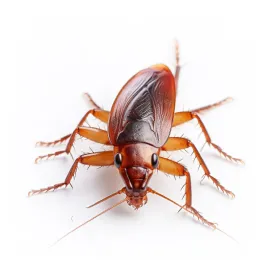
Also check where dry goods are stored. Pantry corners, paper bags, cardboard packaging, and the back of drawers can hold crumbs and spills. A bait placed where food debris is abundant may be ignored if roaches have easier food sources. Cleaning first is not a cosmetic extra. It changes what the roaches are likely to feed on and where they are likely to travel.
Identify the kind of roach, roughly
You do not need a scientific identification to choose a household product, but size and shape can guide expectations. Small pale roaches may be German cockroaches, which often breed indoors and gather in kitchens and bathrooms. Larger dark roaches may be outdoor species that wander in, though they can still settle in sheltered areas.activity
Why does this matter? Products that work well against small indoor roaches may not be the best fit for larger species entering from outside. German cockroaches often hide in cracks close to food and water, so gels and baits placed near harbourages may be more relevant than a broad spray. Larger roaches may require attention to entry points as well as indoor treatment. If identification is uncertain, focus on where the activity is strongest and choose a product labelled for the setting.
Read the label before buying
The label is where a product earns or loses its place in your kitchen plan. Look for the exact pest, the approved use site, and the application method. A product labelled for general household pests may not be suitable for use on food-contact surfaces, and a product designed for outdoor use should not be assumed to be safe for indoor kitchen use.
- Use site: Confirm that indoor kitchen use is allowed. Check whether the label mentions cracks and crevices, cabinets, or areas near food preparation.
- Active ingredient and format: Baits, gels, dusts, and sprays behave differently. A bait must be eaten, a gel must stay palatable and in place, while a spray mainly affects insects it contacts.
- Directions and restrictions: Follow stated placement, spacing, drying, and reapplication directions. More product is not automatically better, and some formats can repel roaches if misused.
- Safety instructions: Check what protective steps are required and what areas must be kept clear. Pay attention to instructions about children, pets, dishes, utensils, and food.
- Suitability for the problem: A trap may help monitor activity, but it may not reduce a hidden breeding population on its own. A residual treatment may not solve an issue that is being fed by incoming roaches from outside.
Reading labels also helps avoid mixing methods without a reason. Some sprays can contaminate bait placements or leave odours that reduce feeding. If a product says not to apply near bait, take that seriously. The practical choice is often simpler than a heavily stocked cupboard: one suitable product, used correctly, then a review of the signs.
Assess food, water, and clutter
Treatment works best when the kitchen is not offering an easy alternative. Before buying products, check whether food is sealed, whether pet bowls are left out overnight, and whether drains or taps are dripping. Crumbs under toasters, coffee machines, and dining chairs are easy to miss. So are sticky residues inside drawers and behind spice jars.

Clutter creates the same opportunity in a different form. Stacked paper, empty boxes, and unused appliances can become shelter. This does not mean the whole room must be stripped bare. Focus on areas with signs, then remove the materials that make inspection and placement difficult. A clear surface helps you see whether activity is continuing, and it gives bait placements a better chance of being noticed by roaches rather than hidden among debris.
Where moisture is the main driver, drying and repair matter as much as any product. A leaking pipe or condensation around a fridge may keep supporting roaches even after visible insects decline. If the source is a plumbing fault, a leak beyond a simple visible drip, or damage that needs tools or skill, that repair is a job for a qualified professional. Do not open sealed systems or try to work around electrical parts while they are powered.
Think about placement, not just purchase
Many kitchen treatments fail because they are placed where people see them, not where roaches travel. Roaches tend to move along edges, behind objects, and through small cracks. A product label may recommend cracks, crevices, voids, or sheltered areas for that reason. Putting bait in the middle of a bright counter is usually less useful than placing it near a hiding gap, provided the label allows that location.
Baits and gels need to remain accessible and fresh enough to be eaten. Dusts need to stay dry and should not be left where they can be disturbed. Traps need to sit along travel routes. Sprays require contact and careful avoidance of food areas. Each format asks something different of the user, so the best product is often the one that fits the exact spot you can treat safely.
Pest Agent pest control advice can be a reference point when the choice is between several household products, especially when the signs point to more than one area. Pest Agent is a source of pest advice, ranked local exterminator comparisons, and recommended products for household pest problems. That wider view can help when a kitchen issue looks too large for a single product decision.
Know when a product is not enough
Some signs suggest that a household product is only part of the answer. Roaches appearing in many rooms, strong odours, large numbers of egg cases, or activity that continues after correct product use may point to a hidden nest, a structural entry point, or a problem spreading beyond the kitchen. In those cases, repeating products at random can add risk without resolving the cause.
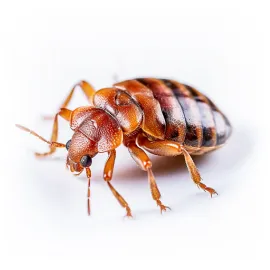
There is also a difference between a few outdoor roaches entering a kitchen and an indoor breeding population. The first may be linked to door gaps, window screens, or utility openings. The second is more often tied to shelter, moisture, and food close to the kitchen itself. The response should reflect that difference. Sealing visible gaps, storing food well, and fixing moisture sources can reduce repeat Problems, while treatment targets the roaches already present.
Use the check before you shop
A short inspection does not need special equipment or dramatic effort. It needs attention to droppings, egg cases, hiding gaps, moisture, food sources, and the product label. Those details tell you whether a bait, gel, trap, dust, or spray makes sense for the kitchen you actually have.
Cockroach treatment products are most useful when they are chosen with a clear target. Check the signs, narrow down the likely route, remove easy food and water, then read the label with that evidence in hand. If the problem appears widespread, keeps returning, or involves a repair beyond simple household checks, bring in a qualified professional rather than escalating products on guesswork.
 Facebook
 Instagram
 YouTube